In the sprawling digital metropolis of the 21st century, our identity is no longer just a name and a face. It’s a collection of data points, access keys, and digital footprints. The gateway to this identity is often a simple, yet critically important, string of characters: a username and password. For a growing number of users in specialized tech circles, financial sectors, and exclusive online communities, that gateway is the bclub login.
But what lies behind this login portal? It’s more than just a door; it’s the first line of defense in a personal digital fortress. Let’s explore the evolving technology and psychology behind secure login systems like the bclub login and what it signifies for the future of our online selves.
Table of Contents
The Login Page: More Than Just a Form
At first glance, any login page, including one for bclub, seems straightforward. Two empty fields await your credentials. However, this simplicity is a facade for a complex ballet of security protocols happening in the background.
When you enter your details and click “submit,” your information is encrypted—scrambled into a code—before it even leaves your browser. It then travels through secure channels to be verified against a database. This process, known as authentication, is the foundational trust mechanism of the digital world. A system like bclub login isn’t just checking if you’re a member; it’s verifying that you are you.
The robustness of this process is paramount. A vulnerability here doesn’t just risk unauthorized access to a single account; it can expose transaction histories, private communications, and sensitive personal data.
The Arms Race: From Passwords to Multi-Factor Authentication
The traditional password is showing its age. “Password123” and “admin” are laughably weak, yet they remain startlingly common. In response, systems managing valuable assets, which a bclub login likely protects, have been forced to evolve.
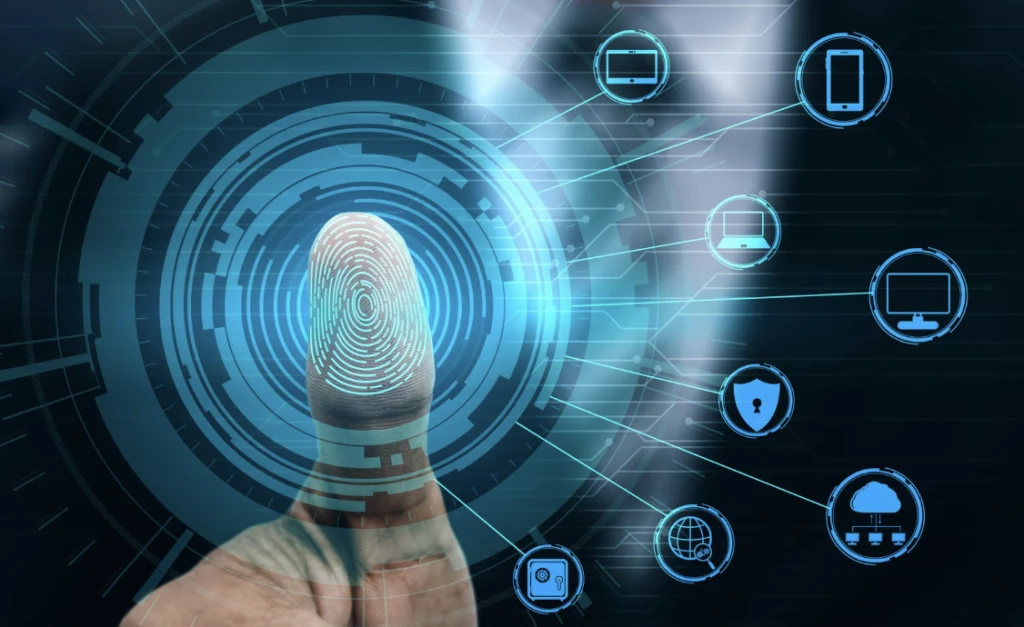
This has led to the widespread adoption of Multi-Factor Authentication (MFA). MFA is the digital equivalent of requiring both a key and a fingerprint to open a safe. After the initial bclub login with a username and password, a second form of verification is required. This could be:
A code sent via SMS or email: Something you have (your phone).
A biometric scan: Something you are (your fingerprint or face).
A prompt from an authenticator app: Something you have (a linked device).
This layered approach dramatically reduces the risk of account takeover, even if a password is compromised. For any user, seeing an MFA prompt after a bclub login should be a sign of reassurance, not an inconvenience—it means the platform is taking your security seriously.
The Human Factor: Psychology of Secure Logins
Technology is only one part of the equation. The human user is often the weakest link. “Password fatigue” leads to reuse, and sophisticated phishing attacks can trick even savvy users into handing over their bclub login details on a fake page.
This is where User Experience (UX) design meets cybersecurity. A well-designed login system does more than just secure data; it educates and guides the user.
Clear Messaging: Informing a user of a new login attempt from an unrecognized device or browser.
Intuitive Design: A clean, consistent bclub login page that users can recognize, making phishing attempts easier to spot.
Streamlined Recovery: A secure but not overly cumbersome account recovery process that doesn’t rely on easily researched security questions.
The goal is to build a security culture where the user becomes a willing participant in their own protection.
The Future is Frictionless and Fortified
So, what comes after the bclub login and its MFA prompts? The future points towards a paradigm of “frictionless security.” Technologies are emerging that aim to make the login process invisible while making it even more secure.
Behavioral Biometrics: Systems that learn how you type, how you hold your phone, or how you move your mouse, creating a continuous authentication loop without any extra steps.
Passkeys: A standard replacing passwords with cryptographic key pairs. Your device (like your phone or a security key) proves your identity to the online service, eliminating the need to remember a password for the bclub login entirely.
Decentralized Identity: Where you control your own digital identity via a personal “digital wallet,” granting access to services like bclub without handing over your raw data to a central server.
Conclusion: Your Login, Your Digital Moat
The humble login is the unsung hero of our digital lives. Every time you complete a bclub login, you are not just accessing a service; you are participating in a sophisticated security ecosystem. It’s a reminder that in the digital age, our identity is our most valuable asset, and protecting it requires a combination of cutting-edge technology and informed, vigilant users.
The next time you see that login screen, see it for what it is: the drawbridge to your personal castle. Make sure it’s well-guarded.
Visit our website: Organize Blogs